For high-tech manufacturing, product quality is closely connected to the production environment. Industries such as CCL copper-clad laminates, PCB manufacturing, optical and LCD displays, LED production, lithium batteries, pharmaceuticals, and food processing often require controlled cleanroom environments to maintain product quality, stability, and consistency.
When planning a new cleanroom or upgrading an existing facility, one of the most common questions is: What is the difference between a 10,000 class cleanroom and a 100,000 class cleanroom, and how much does each cost?
The answer is not simply that a 10,000 class cleanroom is more expensive. The overall project cost depends on the required cleanliness level, temperature and humidity control, cleanroom size, ceiling height, production equipment, HVAC system, cleanroom enclosure materials, and operating requirements.
What Is a 10,000 Class Cleanroom?
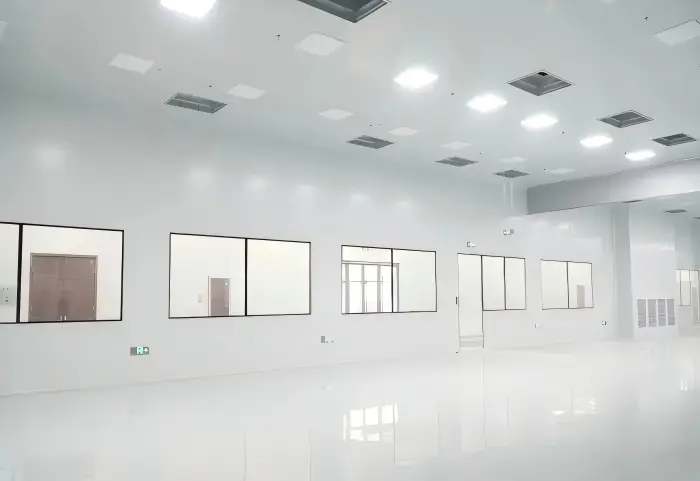
A 10,000 class cleanroom is a traditional cleanroom classification commonly used in industrial manufacturing. In modern international classification systems, it is generally associated with ISO Class 7, although the exact classification should be determined according to the applicable standard and particle-size requirements.
Compared with a 100,000 class cleanroom, a 10,000 class cleanroom requires tighter control of airborne particles and usually requires a more carefully designed air filtration and circulation system.
Typical applications may include:
– PCB and electronic component manufacturing
– Optical and display manufacturing
– Precision assembly
– Pharmaceutical production
– Medical and laboratory applications
– Other processes requiring tighter particle control
What Is a 100,000 Class Cleanroom?
A 100,000 class cleanroom represents a less stringent cleanliness requirement than a 10,000 class cleanroom. It is commonly associated with ISO Class 8 under modern ISO cleanroom classification terminology, subject to the specific particle-size and standard requirements of the project.
100,000 class cleanrooms are widely used for manufacturing processes where moderate contamination control is sufficient.
Typical applications include:
– General electronics manufacturing
– Food processing
– Pharmaceutical support areas
– Medical device production
– Packaging and assembly
– Industrial manufacturing
The appropriate cleanliness level should always be determined according to the product, manufacturing process, applicable regulations, and quality requirements rather than simply choosing the highest possible class.
10,000 vs. 100,000 Class Cleanrooms: Key Differences
The major difference between the two cleanroom classes is the level of airborne particle control. However, cleanliness is only one part of the overall cleanroom design.
| Factor | 10,000 Class Cleanroom | 100,000 Class Cleanroom |
| Cleanliness requirement | More stringent | Less stringent |
| Particle control | Tighter | Moderate |
| HVAC requirements | Generally higher | Generally lower |
| Airflow requirements | Higher air volume may be required | Lower air volume may be sufficient |
| Filtration requirements | More demanding | Less demanding |
| Cleanroom enclosure | Higher performance may be required | Standard cleanroom enclosure may be sufficient |
| Initial investment | Generally higher | Generally lower |
| Energy consumption | Generally higher | Generally lower |
| Application | More sensitive manufacturing processes | General controlled manufacturing |
These are general design considerations. Actual requirements vary significantly depending on the manufacturing process and environmental specifications.
How Does Cleanliness Affect Cleanroom Cost?
Cleanliness level is one of the most important factors affecting cleanroom construction cost.
A higher cleanliness requirement can increase the cost of:
– Cleanroom wall and ceiling systems
– Cleanroom doors and windows
– Air handling units
– HEPA filtration systems
– Air ducts and terminals
– Airflow control systems
– Temperature and humidity control equipment
– Monitoring and validation systems
For example, a cleanroom with a higher cleanliness requirement may need a greater amount of conditioned and filtered air. This can increase the required HVAC capacity, air handling equipment, ductwork, filtration, and terminal units.
Therefore, the cost difference between a 10,000 class cleanroom and a 100,000 class cleanroom should not be calculated only by comparing the price per square meter of cleanroom panels.
Space and Ceiling Height Also Affect Cost
Cleanroom area is an obvious cost factor, but ceiling height is often overlooked.
A larger cleanroom volume means more air needs to be conditioned and circulated. Increasing the ceiling height can therefore increase:
– HVAC load
– Air supply volume
– Ductwork requirements
– Cleanroom wall and ceiling material
– Lighting and utility installation
– Construction and maintenance costs
A cleanroom does not necessarily need to be as large or as high as possible.
During the design stage, manufacturers should consider the actual dimensions and maintenance requirements of production equipment, as well as the movement of personnel and materials.
A well-planned cleanroom layout can help avoid unnecessary construction and operating costs.
Temperature and Humidity Control Are Equally Important
Cleanroom design is not only about particle cleanliness.
Many manufacturing processes have strict requirements for temperature and relative humidity. These requirements can have a major impact on both the initial investment and long-term operating costs.
For example, some PCB manufacturing processes require relatively stable temperature and humidity conditions. Lithium battery manufacturing may require much stricter humidity control, particularly in processes that are sensitive to moisture.
The tighter the temperature and humidity tolerance, the more sophisticated the HVAC and environmental control system may need to be.
This can require:
– Dehumidification systems
– Humidification systems
– Precision temperature control
– Environmental monitoring
– Automated control systems
Therefore, when designing a cleanroom, manufacturers should define environmental requirements based on their actual production process instead of simply selecting the highest cleanliness class.
Production Equipment Can Change the Cleanroom Design
Another important factor is the production equipment installed inside the cleanroom.
Before designing the HVAC system, engineers should understand key equipment parameters, including:
– Equipment dimensions
– Heat generation
– Exhaust volume
– Dust generation
– Moisture generation
– Operating conditions
– Maintenance space
Equipment with significant heat output can increase the cooling load. Equipment with high exhaust volume can affect air balance. Processes that generate dust or moisture may require additional local exhaust or environmental controls.
Ignoring these factors during the design stage can lead to temperature or humidity problems after the cleanroom is put into operation.
Initial Investment vs. Long-Term Operating Cost
When comparing 10,000 and 100,000 class cleanrooms, it is important to look beyond the initial construction budget.
A higher cleanliness level can require more powerful HVAC equipment and greater air circulation, which may increase energy consumption throughout the cleanroom’s operating life.
Therefore, the most economical cleanroom is not necessarily the one with the lowest construction cost.
The better approach is to find the appropriate cleanroom classification for the actual manufacturing process.
An unnecessarily high cleanliness level can increase both capital investment and energy consumption without providing additional value to the product.
How to Determine the Right Cleanroom Class?
Before asking, “How much does a 10,000 class cleanroom cost?” or “Is a 100,000 class cleanroom cheaper?”, manufacturers should first define their actual production requirements.
A professional cleanroom planning process should consider:
1. Production Process
Identify which manufacturing processes require controlled environments and determine the cleanliness requirements for each area.
2. Production Equipment
Provide equipment dimensions, heat generation, exhaust volume, dust generation, and maintenance requirements.
3. Cleanroom Area and Height
Determine the required working area, personnel flow, material flow, equipment layout, and maintenance space.
4. Temperature and Humidity
Define the required temperature and relative humidity range according to the product and manufacturing process.
5. Cleanliness Level
Select the appropriate cleanroom classification based on the actual process requirements and applicable standards.
6. HVAC and Airflow
Calculate the required cooling capacity, air volume, filtration, air changes, supply and return air configuration, and environmental control requirements.
7. Cleanroom Enclosure System
Select suitable cleanroom wall panels, ceiling panels, doors, windows, and other components according to the cleanliness, fire, hygiene, durability, and maintenance requirements of the project.
So, How Much More Does a 10,000 Class Cleanroom Cost?
There is no universal price difference between a 10,000 class and a 100,000 class cleanroom.
The final cost depends on many variables, including:
Cleanroom area + ceiling height + cleanliness level + temperature/humidity requirements + HVAC system + production equipment + cleanroom enclosure + local construction conditions + validation requirements.
Two cleanrooms with the same area can have significantly different project costs because their production processes and environmental requirements are different.
For this reason, calculating cleanroom cost based only on a square-meter price can be misleading.
A professional cleanroom project should start with the manufacturer’s actual process requirements and then develop an integrated design covering the enclosure system, HVAC, airflow, temperature and humidity control, utilities, and production equipment.
Conclusion
The difference between a 10,000 class cleanroom and a 100,000 class cleanroom is not simply a difference in cleanliness. It can affect the entire cleanroom system, including HVAC capacity, filtration, airflow, environmental control, enclosure materials, energy consumption, and project investment.
For manufacturers planning a new cleanroom or upgrading an existing facility, the goal should not be to select the highest cleanliness level available. Instead, the cleanroom should be designed around the actual manufacturing process, product requirements, applicable standards, and long-term operating needs.
Glostar Cleanroom provides cleanroom enclosure systems and customized cleanroom solutions, including cleanroom wall panels, ceiling systems, doors, windows, and related components. By combining product requirements with project conditions, we help manufacturers develop reliable and practical cleanroom environments for demanding production applications.
Frequently Asked Questions
Is a 10,000 class cleanroom cleaner than a 100,000 class cleanroom?
Yes. A 10,000 class cleanroom generally requires tighter airborne particle control than a 100,000 class cleanroom. However, the applicable classification should be confirmed according to the specific cleanroom standard and particle-size requirements.
Is a 10,000 class cleanroom more expensive than a 100,000 class cleanroom?
Generally, a 10,000 class cleanroom can require higher initial and operating costs because of more demanding airflow, filtration, and environmental control requirements. However, actual project costs depend on the complete design.
Can a 100,000 class cleanroom be used for pharmaceutical manufacturing?
It depends on the specific process, product, regulatory requirements, and applicable cleanroom standards. Different areas of a pharmaceutical facility may have different cleanliness requirements.
How can I choose the right cleanroom classification?
Start with the manufacturing process, product sensitivity, applicable regulations, equipment requirements, temperature and humidity requirements, and required particle control. A professional cleanroom engineer can then determine the appropriate classification and system design.
Do cleanroom panels affect cleanroom performance?
Yes. Wall and ceiling panels form an important part of the cleanroom enclosure. Panel surface characteristics, joints, sealing, fire performance, durability, and cleanability can all affect the performance and maintenance of a cleanroom environment.